
Living with bipolar disorder or supporting someone who does? The right books can provide invaluable insights, practical strategies, and a sense of connection.
From personal memoirs to evidence-based guides, here are some of the most impactful books that can help you navigate the complexities of bipolar disorder.
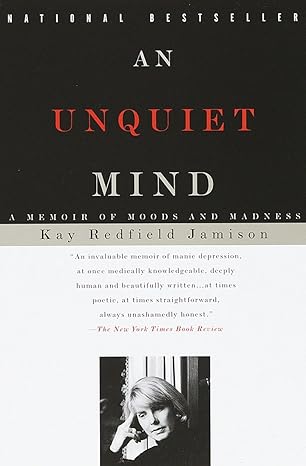
“An Unquiet Mind” by Kay Redfield Jamison
This remarkable memoir comes from a unique perspective: Dr. Jamison is not only a leading expert on bipolar disorder but also lives with the condition herself.
Her eloquent narrative weaves together professional insights with deeply personal experiences, offering readers both clinical knowledge and emotional understanding. The book stands out for its raw honesty about the challenges of accepting treatment while maintaining a successful academic career.
Particularly valuable for: Healthcare professionals and those newly diagnosed seeking to understand the full spectrum of the condition.
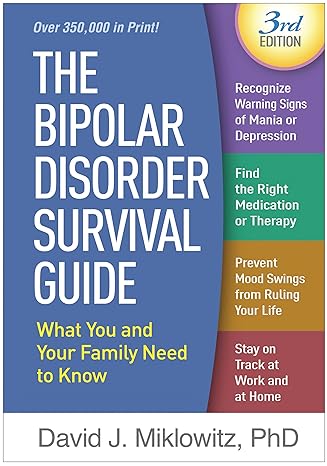
“The Bipolar Disorder Survival Guide” by David J. Miklowitz
Now in its third edition, this comprehensive resource has become a cornerstone for both individuals with bipolar disorder and their families. Dr. Miklowitz combines cutting-edge research with practical, actionable strategies for managing the condition. The book excels in its approach to medication management, relationships, and trigger identification. What sets it apart is its inclusion of worksheets and monitoring tools that readers can immediately put into practice.
Especially useful for: Those seeking concrete strategies for day-to-day management of bipolar disorder.
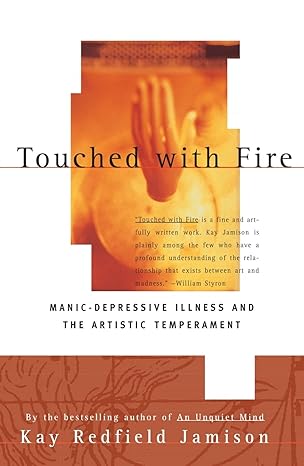
“Touched with Fire” by Kay Redfield Jamison
Another masterpiece from Dr. Jamison, this book explores the fascinating connection between bipolar disorder and creativity. Through examining the lives of artists, writers, and composers who likely had bipolar disorder, Jamison presents compelling insights into how the condition can influence artistic expression.
The book thoughtfully addresses the complex question of whether treating bipolar disorder might impact creativity.
Essential reading for: Creative individuals with bipolar disorder who want to understand and harness their gifts while maintaining stability.
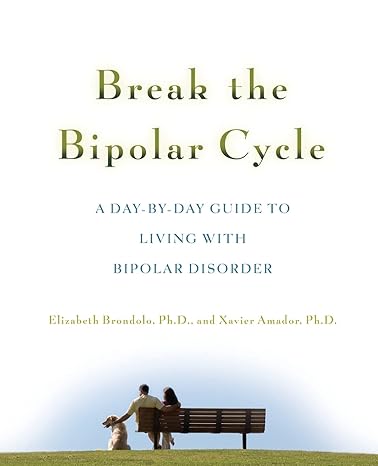
“Break the Bipolar Cycle” by Elizabeth Brondolo and Xavier Amador
This practical guide focuses on identifying and interrupting the patterns that can lead to mood episodes. The authors provide clear explanations of how daily routines, stress, and relationships impact bipolar disorder, along with strategies for maintaining stability. What makes this book particularly valuable is its emphasis on building a personalized approach to managing the condition.
Highly recommended for: Those looking to develop better self-awareness and prevention strategies.
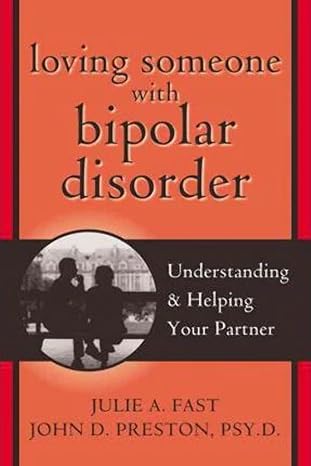
“Loving Someone with Bipolar Disorder” by Julie A. Fast and John D. Preston
Written specifically for partners, family members, and friends, this compassionate guide helps loved ones understand their role in supporting someone with bipolar disorder. The authors address common challenges in relationships and provide practical tools for communication, crisis management, and self-care. The book’s strength lies in its balanced approach to supporting others while maintaining healthy boundaries.
Perfect for: Support system members seeking to understand their role and maintain healthy relationships.
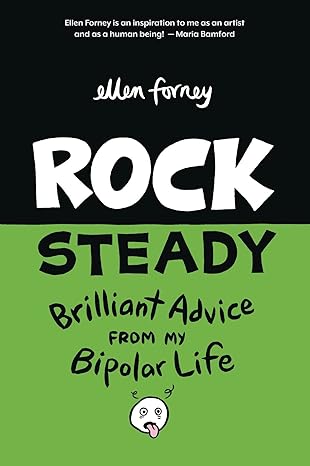
“Rock Steady: Brilliant Advice From My Bipolar Life” by Ellen Forney
This unique graphic memoir offers a fresh, visual approach to managing bipolar disorder. Forney combines humor, art, and practical wisdom to create an accessible guide for living with the condition. The book stands out for its innovative format and ability to make complex coping strategies easily digestible.
Particularly appealing to: Visual learners and those who appreciate a more creative approach to mental health education.
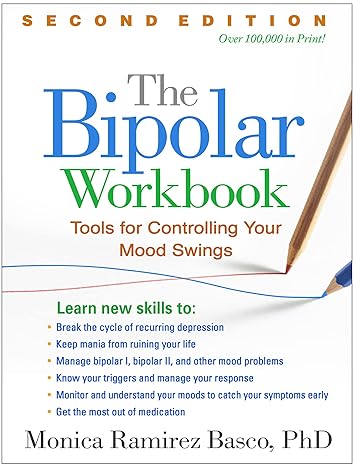
“The Bipolar Workbook” by Monica Ramirez Basco
This hands-on resource provides practical exercises and tools for managing bipolar disorder. Dr. Basco’s workbook excels in helping readers develop personalized strategies for mood monitoring, trigger identification, and crisis planning. The interactive format encourages active participation in one’s treatment journey. What makes it special is its focus on cognitive-behavioral techniques that readers can practice independently.
Ideal for: Those who prefer an active, structured approach to managing their condition.
Finding Your Path
Remember that while books for bipolar disorder offer valuable insights and strategies, they should complement, not replace, professional mental health care.
Each person’s experience with bipolar disorder is unique, and what resonates with one reader might not work for another. Consider starting with the book that best matches your current needs and circumstances.
Take time to absorb and implement the strategies that feel right for you, and don’t hesitate to discuss what you’ve learned with your mental health provider. These books can serve as powerful tools in your journey toward better understanding and managing bipolar disorder.