When you are prescribed lithium, the conversation about side effects almost always turns to your kidneys. For decades, the National Institute of Mental Health has recognized lithium as a mainstay of treatment for bipolar disorder, particularly because of its unmatched...
If you have been living with bipolar disorder while also managing a chronic pain condition, you already know the exhaustion of fighting a war on two fronts. You may have noticed that your physical pain feels sharper and more impossible...
Many people navigating bipolar disorder find themselves utilizing alcohol or other substances, and then feel a profound hesitation to bring this up with their healthcare provider. If this resonates with your experience, know that this is not a character flaw....
Sit with the feeling of receiving a psychiatric diagnosis for a moment. Ideally, a diagnosis functions as a map—a tool that helps you and your care team navigate toward stability and relief. Now imagine that diagnosis feels like putting on...

If you have bipolar disorder and are thinking about pregnancy — or have just found out you’re pregnant — you’re probably already living with a level of worry that most people don’t have to carry into this decision. The question...
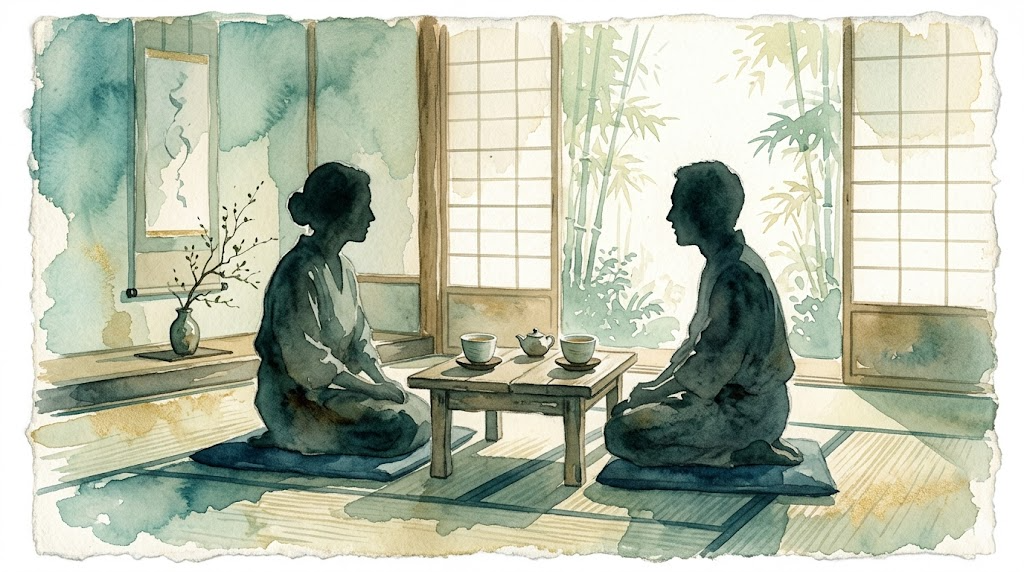
Most bipolar therapy focuses on what happens inside your head — the thoughts, the patterns, the coping strategies. IPSRT starts somewhere different: with the people in your life, and the rhythms that hold your days together. Interpersonal and Social Rhythm...

You might notice it between episodes. You reach for a word and it takes a beat too long to arrive. You forget a conversation you were present for. You find yourself re-reading the same paragraph three times. You’re not in...

There’s a question that sits underneath a lot of conversations about bipolar disorder and creativity — not the one people usually ask out loud, but the one driving it. It’s not really “is there a link?” It’s something closer to:...

Loss is one of the hardest things a person navigates. When you have bipolar disorder, it’s harder still — not because you’re less capable of grieving, but because the biology of your brain and the nature of the illness interact...