
Articles about Bipolar Disorder

Dive into Bipolar Disorder care with the help of our blog

Watercolor illustration of an open journal on a desk with pencil and plant in soft morning light — representing calm, intentional mood tracking for bipolar disorder

What Is a Bipolar Mood Tracker? Why Monitoring Your Moods Changes Everything

If you’ve been managing bipolar disorder for a while, you’ve probably heard some version of: “Track your moods.” Maybe your provider handed you a paper chart. Maybe you downloaded an app and used it for a week before it slipped....

Watercolor illustration of a man sitting by a window in contemplative morning light — representing the quiet, often unrecognized experience of bipolar disorder in men

Bipolar Disorder in Men: Why Symptoms Look Different and Go Undiagnosed Longer

If you’ve spent years being told you have depression, or that your anger is just a personality issue, or that the way you drink is the real problem — and something still doesn’t fit — this article is worth reading....

Watercolor illustration of a winding path through morning mist clearing to warm light — representing passage through a bipolar episode toward resolution, teal and gold tones

How Long Does a Bipolar Episode Last? What to Expect and How to Shorten It

If you’re in the middle of an episode — or you’ve just come out of one — the question isn’t academic. You want to know: how long does a bipolar episode last, and when does this end? Most articles give...
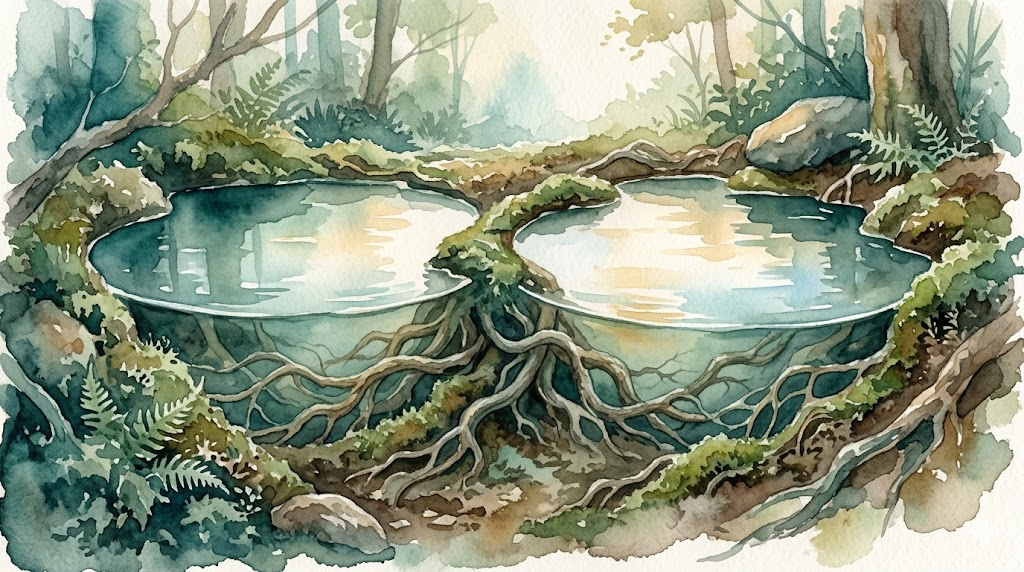
Watercolor illustration of two calm still pools with intertwined roots beneath the surface — representing the connection between bipolar disorder and anxiety, teal and sage tones

Bipolar Disorder and Anxiety: Why They So Often Appear Together

If you’ve been managing bipolar disorder for any length of time, you’ve probably noticed that the anxiety doesn’t seem to belong to the bipolar — it feels like a separate, relentless layer sitting on top of everything else. The worry...

Watercolor illustration of a calm, organized workspace with teal accents and natural light — representing quiet focus and career agency with bipolar disorder

Bipolar Disorder and Work: How to Manage Your Career Without Hiding Your Diagnosis

Work is one of the most concrete places where bipolar disorder shows up in daily life. Not always in dramatic ways — not always in the form of a manic episode that derails a project or a depressive stretch that...

Warm watercolor of a teal medicine bottle beside a steaming cup of tea in soft morning light — representing gentle, informed care for bipolar depression

Lurasidone for Bipolar Depression: What Makes Latuda Different

If you’ve been treated for bipolar depression and still feel like you’re circling the same ground — same low mood, same fatigue, same feeling that nothing is really working — it may not be the condition that’s the problem. It...

Watercolor still life of a teal medicine bottle beside a steaming cup of tea with eucalyptus sprigs — representing thoughtful bipolar medication management with aripiprazole

Aripiprazole for Bipolar Disorder: What to Know About Abilify

If you’ve been prescribed aripiprazole — or your provider is considering it — you’re probably trying to understand what makes it different from the mood stabilizers and other medications you’ve heard about, what it actually does for bipolar disorder, and...

Calm watercolor desk scene with notepad, plant, and tea beside a sunny window — representing clarity about Medicaid bipolar treatment coverage

How Does Medicaid Cover Bipolar Treatment? What You Need to Know by State

You’re on Medicaid. You have bipolar disorder. And somewhere between figuring out whether you qualify for care and actually booking an appointment, you’ve hit a wall of confusion: What does your plan actually cover? Does it include psychiatry? Medication? Therapy?...

A gentle morning routine scene with alarm clock, tea, and window light representing social rhythm therapy and daily bipolar stability

What Is Social Rhythm Therapy? The Daily Routine Approach to Bipolar Stability

You’ve probably heard a lot about medications, diagnoses, and treatment protocols. What you may not have heard — not clearly, not in a way that felt actionable — is that your daily schedule is doing something to your brain chemistry....

Take a look at our Resources

Become an expert in Bipolar Disorder and take ownership of your care